
What Is Documentary Video Production? A Guide for Organizations
Some stories need more than a two-minute video. They need time to unfold, context, different perspectives, real moments, and sometimes difficult conversations. They may explore an important social issue, document the history of an organization, introduce us to a community, or follow one person's experience as a way of understanding something much bigger.
That's where documentary video production comes in. At VGM Visual Storytelling, we approach documentary filmmaking through a combination of journalism, human connection, and cinematic storytelling. Rather than beginning with a predetermined script, we begin with research and listening. The goal isn't to decide what someone should say before we meet them. It's to find the story that's already there.
What Is Documentary Video Production?
Documentary video production is the process of creating a nonfiction film using real people, real experiences, and real environments. Unlike a traditional promotional video, a documentary isn't built around scripted talking points or carefully controlled scenes. The story develops through research, interviews, observational filming, archival materials, expert perspectives, and the experiences of the people at its center.
For organizations, documentaries can take many forms. A nonprofit might create a documentary exploring the issue behind its mission. A foundation may want to preserve an important community story. A company might document its history, impact, or relationship with a community, while an educational organization could use documentary filmmaking to explore an issue affecting students and families. The subject changes, but the responsibility to tell the story truthfully and thoughtfully doesn't.
How Is a Documentary Different From a Brand Video?
Brand videos and documentaries can share many of the same filmmaking techniques, but their purposes are different. A brand video is generally centered around helping an audience understand an organization: who you are, what you do, and what makes you different.
A documentary has room to look beyond the organization itself. It can explore a larger issue, ask difficult questions, introduce different perspectives, follow someone's personal journey, or examine how a subject has changed over time.
That distinction is especially important for social impact documentary production. The organization commissioning the film may play an important role in the story, but it doesn't necessarily need to be the hero of every scene. Sometimes the strongest way to communicate your mission is to give the audience a deeper understanding of the issue your organization exists to address.
Documentary Filmmaking Starts With Research
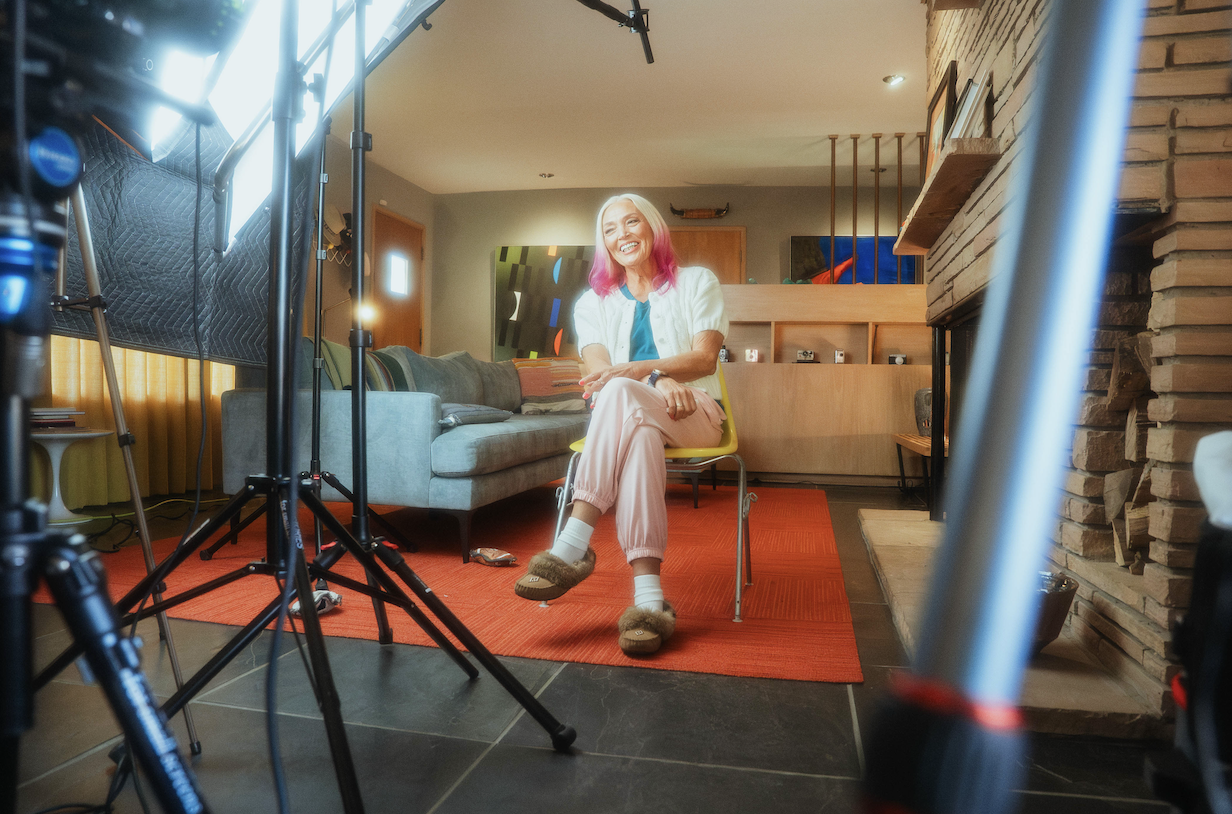
Pre-interviews are one of the most valuable tools we have during documentary pre-production. Before someone sits in front of our cameras, we often have a conversation with them without filming. We listen, learn about their experiences, hear how they describe events in their own words, and begin identifying important memories, perspectives, relationships, and moments we may want to explore more deeply during the filmed interview.
These conversations also help us determine who should be included in the documentary. Not everyone with an important title is necessarily the right person to tell a particular part of the story. Sometimes the person who brings a documentary to life is someone we didn't initially expect. That's why discovery is such an important part of the process. Pre-interviews give us an opportunity to understand not only what someone knows, but what perspective they can bring to the larger story.
How Do You Interview People for a Documentary?
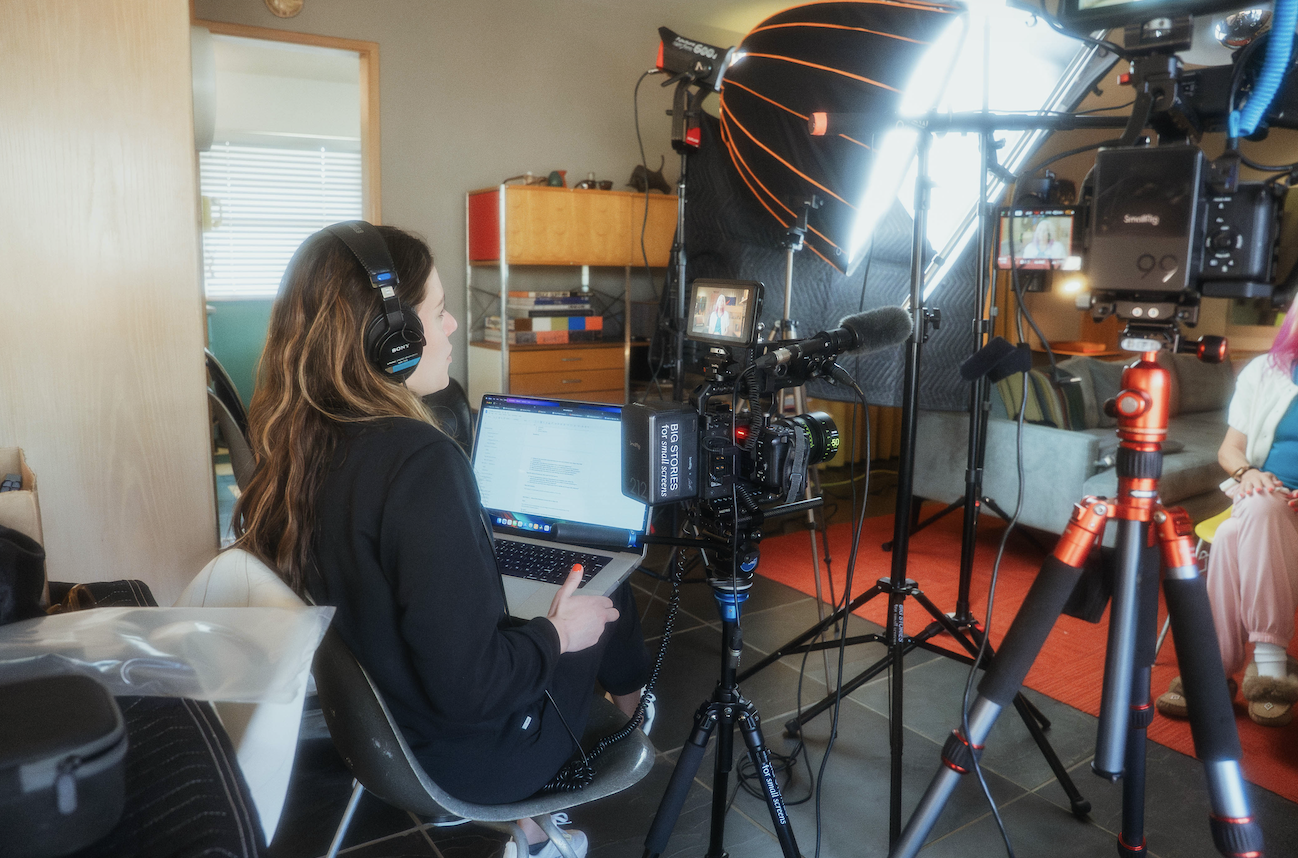
A documentary interview should feel like a conversation, not a performance. Our background in journalism shapes the way we approach interviews. We prepare carefully, but we also listen closely enough to know when it's time to move away from our prepared questions.
A response may introduce something we hadn't considered. A pause may tell us there's more to the story. A small detail might open the door to an entirely different conversation. Being present and listening carefully allows us to follow those moments rather than simply moving down a predetermined list of questions.
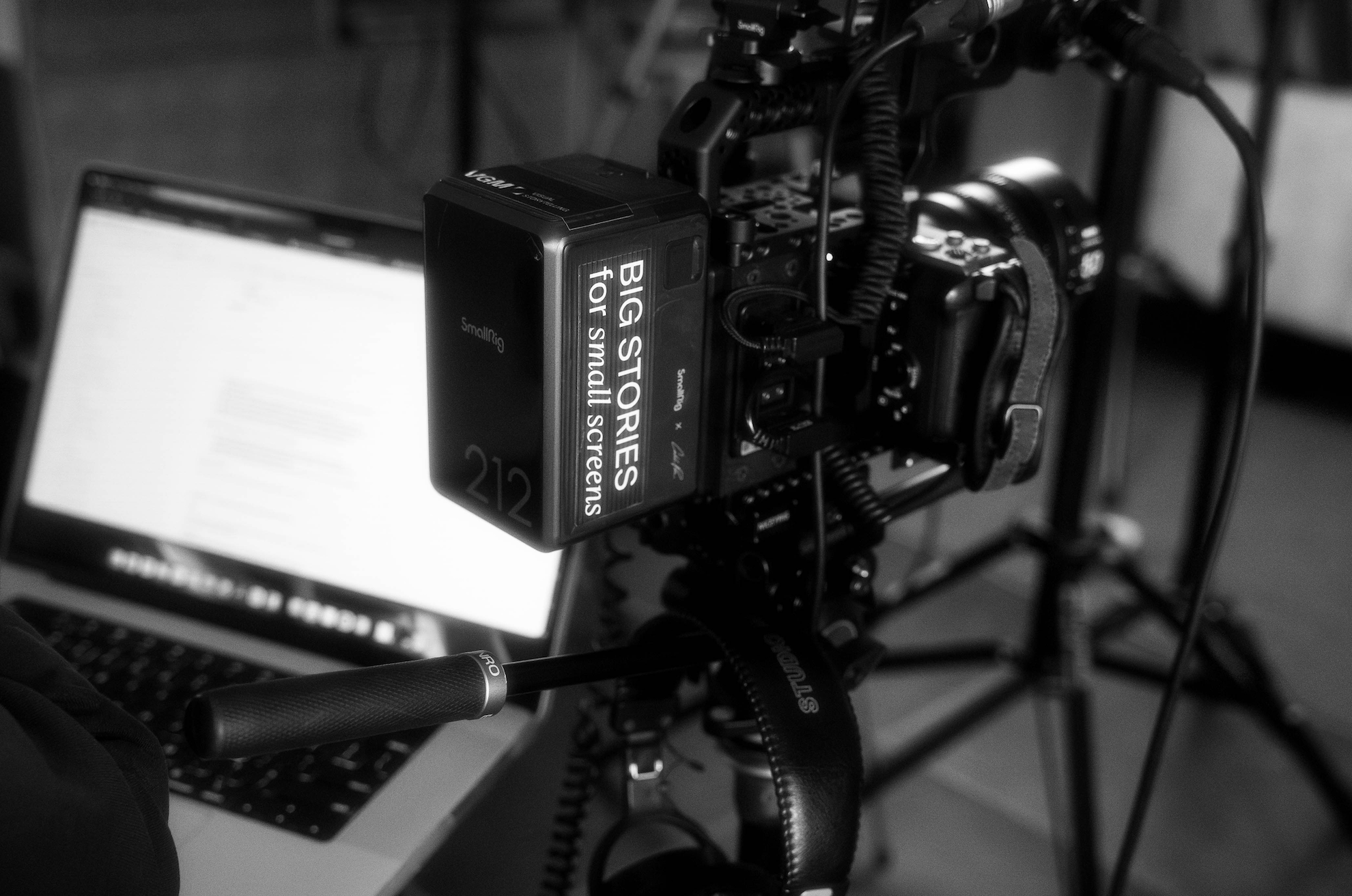
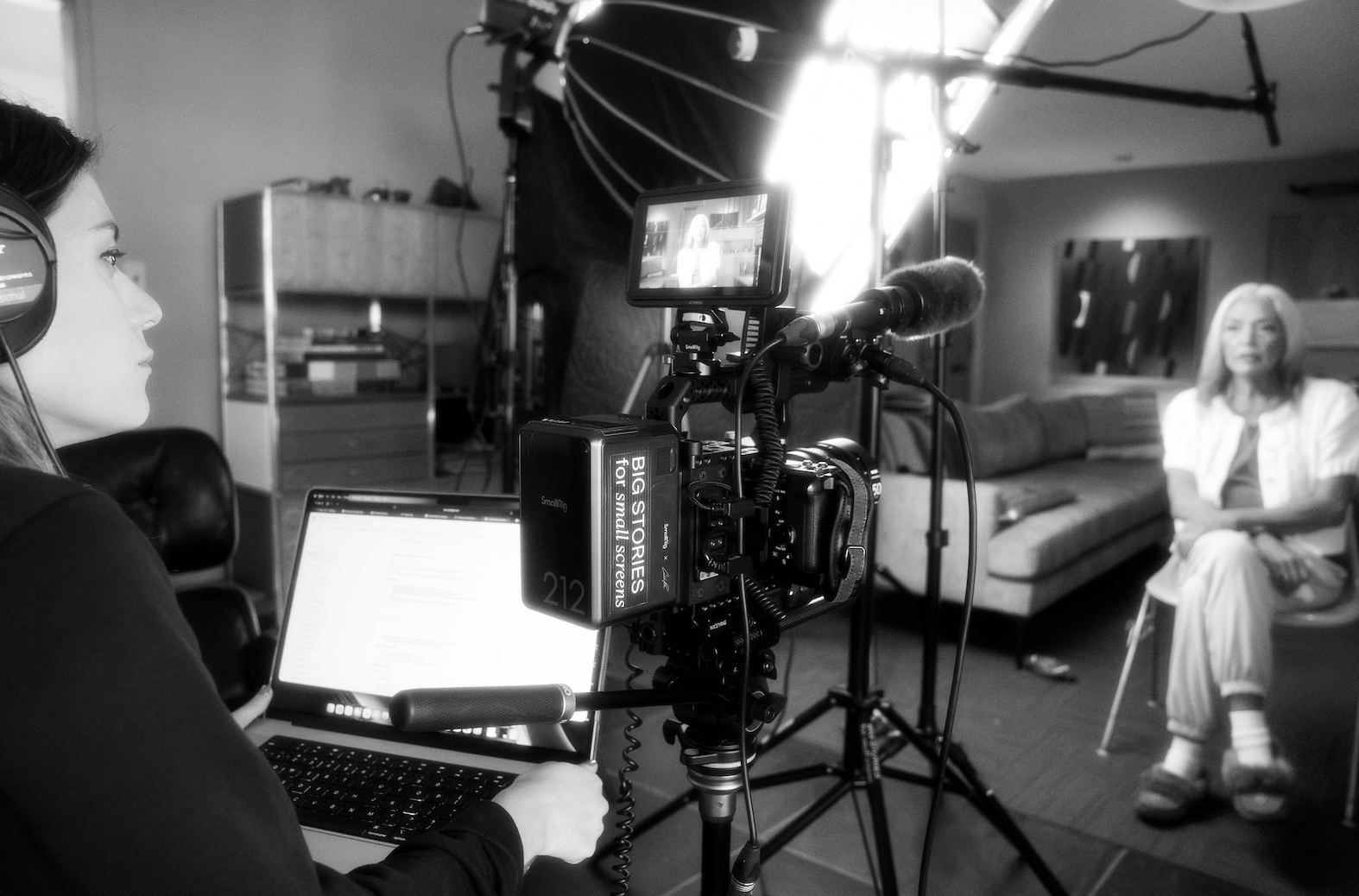
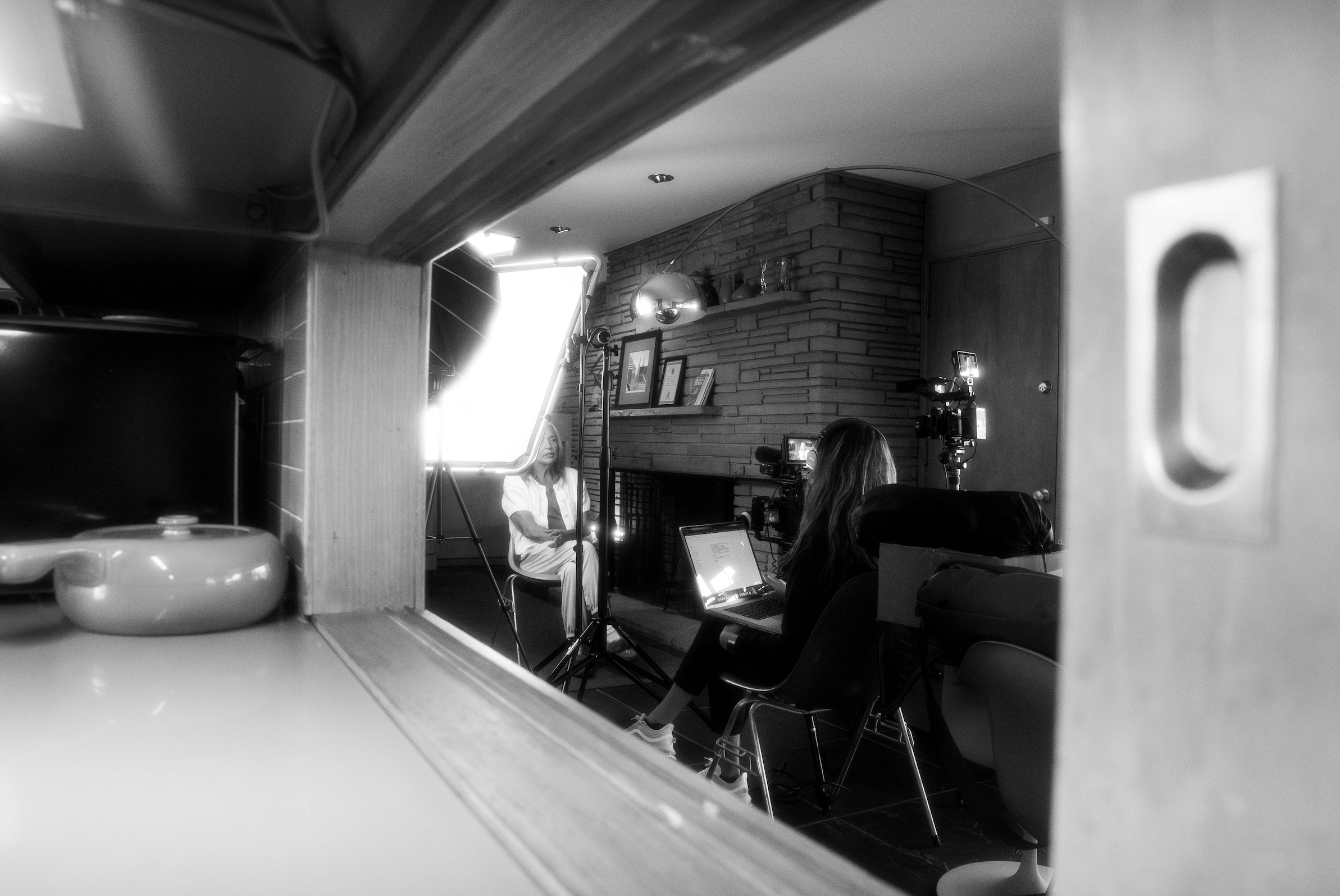
The technical side still matters. Depending on the production, we may use multiple cameras, professional lighting, and different microphone configurations to create a consistent cinematic look and capture clear audio. But none of that matters if the person sitting in front of the camera doesn't feel comfortable enough to speak honestly. The equipment captures the interview, but trust gives us something worth capturing.
What Is Observational Documentary Filmmaking?
Some of the most meaningful documentary moments don't happen during interviews. They happen in between. Observational filmmaking means capturing people in real environments as moments naturally unfold.
Instead of asking someone to describe everything they do, we can experience parts of their world alongside them. We might follow someone through their workday, document interactions between family members, spend time inside a classroom, observe a community program, or simply allow a scene to develop without interrupting it.
These moments give a documentary texture. We hear the sounds of the environment, see relationships and behaviors that would be difficult to explain in an interview, and notice small details that make the people and places on screen feel real. That's one of the reasons documentary crews need to be flexible. Not every meaningful moment can be scheduled.
Why Small Documentary Crews Can Be an Advantage
Bigger isn't always better in documentary production. There are productions where a larger crew is necessary, but when we're filming sensitive, personal, or intimate stories, keeping the production footprint intentional can make a meaningful difference.
A smaller documentary crew can move more easily between locations and respond quickly when something unexpected happens. More importantly, it can make the filming environment feel less intimidating. This is especially valuable when someone is sharing a vulnerable experience or allowing us into a personal part of their life.
Our crews are built around the needs of each production. The goal is to have the cinematography, audio, lighting, and production support necessary to create a professional film without allowing the production itself to overwhelm the story.
Why Does Cinematography Matter in Commercial Video Production?
Commercial cinematography isn't simply about making something look cinematic. Every visual choice communicates information. Lighting can make a space feel warm and welcoming or bold and dramatic. Lens choices can make something feel intimate or expansive. Camera movement can create energy, while composition can direct the viewer's attention toward exactly what matters.
Those decisions should connect back to the brand. A commercial for a healthcare organization shouldn't automatically look and feel the same as a commercial for a manufacturer, university, nonprofit, or professional services company.
Each organization has its own visual identity, audience, and personality. Our job is to translate those things into a visual language that feels appropriate for the story we're telling rather than applying the same look to every production.
How Do You Tell Sensitive Stories Responsibly?
Documentary filmmaking comes with responsibility. When someone shares a personal experience with us, particularly one involving trauma, hardship, identity, family, health, or another sensitive subject, that story isn't simply content. There's a person attached to it, and that should influence the way a filmmaker approaches everything from the initial conversation to the interview itself and eventually the edit.
We take time to build rapport with documentary participants, explain the process, and create an environment where people can speak in their own words. We also think carefully about context and how an individual experience fits into the larger story.
A powerful emotional moment can be compelling on screen, but emotion should never come at the expense of someone's dignity or distort the larger story we're trying to tell. The responsibility isn't simply to create something moving. It's to create something honest.
How Do Facts and Data Fit Into a Human Story?
Documentaries about complex issues often need to communicate information as well as emotion. Research, statistics, historical context, archival materials, and expert perspectives can help an audience understand the larger issue, but information alone rarely gives someone a reason to keep watching.
That's why we look for the human story at the center of the subject. An expert might help us understand the research, data might show us the scale of an issue, and historical footage might explain how we arrived here. A person's lived experience, however, can help us understand what those facts actually mean.
The strongest social impact documentaries find a way for those elements to work together rather than compete with one another. Information provides context, while human experiences give that information meaning.
How Is a Documentary Story Built in Post-Production?
Documentaries are often written again in the edit. By the time production ends, we may have hours of interviews, observational footage, B-roll, expert perspectives, photographs, archival footage, data, and other materials. The editing process is where we begin finding connections between all of those pieces.
We review interviews carefully, identify themes, find emotional moments, and begin shaping the narrative. Sometimes an idea that seemed important during pre-production becomes less significant. Other times, a moment captured unexpectedly becomes essential. That's the nature of working with real stories.
Once the narrative is established, we begin bringing in the other elements of the film, including observational footage, archival materials, music, natural sound, graphics, data visualization, and other visual storytelling tools. The final stages can include professional sound design and mixing, color grading, graphics, music, and finishing. Each element should support the story rather than compete for attention.
How Long Does Documentary Production Take?
Documentary production typically requires more time than a traditional corporate or brand video. A short documentary may take several weeks or months from initial research through final delivery, while larger documentaries can develop over a much longer period.
The timeline depends on the complexity of the subject, number of participants, filming days, locations, travel, archival research, scheduling, editing, and finishing requirements. There is also an element of documentary production that can't always be compressed into a schedule.
Sometimes you need to wait for something to happen. A new participant may change the direction of the story, or information discovered during production may deserve further research. Planning matters tremendously, but so does knowing when the story needs room to evolve.
How Much Does Documentary Video Production Cost?
There isn't a simple cost-per-minute formula for documentary production. A 10-minute documentary can sometimes require considerably more work than a longer film because runtime alone doesn't determine the complexity of the production.
Research and pre-production, filming days, number of locations, travel, crew size, interviews, archival materials, music licensing, graphics, animation, editing, sound design, color grading, and final deliverables can all affect the overall budget. For professional documentary production, budgets can range from tens of thousands of dollars for focused short documentaries to significantly larger investments for films involving extensive research, multiple locations, longer production schedules, or complex post-production.
That's why we build documentary proposals around the needs of the story rather than simply quoting a price based on the final runtime. Before production begins, we establish the scope, production plan, deliverables, revision process, and expected investment so everyone understands what it will take to make the film.
Who Should Consider Creating a Documentary?
There isn't a simple cost-per-minute formula for documentary production. A 10-minute documentary can sometimes require considerably more work than a longer film because runtime alone doesn't determine the complexity of the production.
Research and pre-production, filming days, number of locations, travel, crew size, interviews, archival materials, music licensing, graphics, animation, editing, sound design, color grading, and final deliverables can all affect the overall budget. For professional documentary production, budgets can range from tens of thousands of dollars for focused short documentaries to significantly larger investments for films involving extensive research, multiple locations, longer production schedules, or complex post-production.
That's why we build documentary proposals around the needs of the story rather than simply quoting a price based on the final runtime. Before production begins, we establish the scope, production plan, deliverables, revision process, and expected investment so everyone understands what it will take to make the film.
Behind The Scenes of a Documentary Video production Project
Who Should Consider Creating a Documentary?
Documentary filmmaking can be especially valuable for organizations with a story that needs more depth than a traditional promotional video can provide. That can include nonprofits, foundations, educational organizations, museums, healthcare organizations, businesses, community organizations, and other mission-driven groups.
A documentary may make sense when you want to explore an important social issue, preserve history, document community impact, share lived experiences, educate an audience, support advocacy or awareness efforts, or create something that can live beyond a single marketing campaign.
The question isn't simply whether your organization needs a video. It's whether there's a story that deserves more time.
Where Can an Organization Use a Documentary Film?
A documentary doesn't have to live in only one place. Organizations can use documentary films for community screenings, fundraising events, conferences, educational programs, websites, presentations, donor engagement, internal initiatives, and digital distribution.
Depending on the goals of the project, a documentary production can also create additional material for trailers, social media, shorter educational pieces, interviews, and other supporting content. Thinking about distribution during pre-production can help determine what should be captured and what additional deliverables may be useful later. The film may be the centerpiece, but the stories captured while making it can often travel much further.
Documentary Video Production in Oklahoma City and Beyond
VGM Visual Storytelling is an Oklahoma City documentary production company creating human-centered documentary films, short documentaries, and social impact documentaries for nonprofits, foundations, businesses, educational organizations, and mission-driven organizations.
Our documentary filmmaking approach combines journalism-driven research and interviews with observational filmmaking and cinematic production. We're based in Oklahoma City, but the stories we tell aren't limited by geography. We work throughout Oklahoma and travel wherever the people and stories at the center of a film take us.
If your organization has a story that deserves more than a traditional promotional video, start with a conversation. You don't need to know exactly what the documentary will become. That's part of discovering the story.
Set your story in motion.