
What Is Commercial Video Production? A Guide for Businesses
Commercial video production can mean a lot of different things. It might be a 30-second television commercial, a 15-second digital ad, a product video, a social media campaign, or a series of commercials built around one larger creative idea.
What these productions have in common is intention. A commercial isn't simply about creating something that looks good. It's about understanding what you're communicating, who you're trying to reach, where they'll see the video, and what you want them to remember.
At VGM Visual Storytelling, we approach commercial video production with the same philosophy that guides the rest of our work: start with the story, understand the audience, and create something that feels human. Because even when you're advertising something, people still connect with people.
What Is Commercial Video Production?
Commercial video production is the process of creating video content designed to promote a business, organization, product, service, or campaign. That can include traditional broadcast commercials, digital advertising, product and service videos, branded campaigns, social media ads, and other promotional content.
Commercial video production typically involves several stages, including concept development, pre-production, filming, editing, color grading, sound design, music, graphics when needed, and final delivery. But the process shouldn't begin with a camera. It should begin by asking what we're actually trying to communicate.
Understanding that message gives every creative decision that follows a purpose, from the people we feature and the locations we choose to the way the final commercial looks, sounds, and feels.
What's the Difference Between a Commercial and a Brand Story Video?
There's plenty of overlap between commercial video production and brand storytelling, but they aren't exactly the same thing. A brand story video generally gives an audience a broader understanding of an organization: who you are, what you believe, who you serve, and why your work matters.
A commercial typically has a more focused objective. You may be introducing a particular service, launching a product, promoting an event, creating awareness around a campaign, or communicating one specific message.
Commercials also tend to have tighter time constraints. A brand story might have several minutes to develop an idea, while a commercial may need to communicate its message in 15, 30, or 60 seconds. That changes the way we approach the story. When time is limited, every shot and every word has to earn its place.
What Makes a Good Commercial Video?
A great commercial doesn't necessarily need a huge set, dozens of actors, or an elaborate concept. It needs a clear idea. Before we think about cinematography, we want to understand the audience and the message. What should someone know after watching? What should they remember? What makes this business, product, or service different? And why should the audience care?
Once we understand those things, we can begin deciding how to communicate them visually. Sometimes that calls for a carefully scripted commercial. Sometimes real employees or customers are the right people to tell the story. Other times, the idea can be communicated almost entirely through visuals.
There isn't one creative formula that works for every commercial. The creative approach should serve the message rather than the other way around.
How Does Commercial Video Pre-Production Work?
Good commercial production depends heavily on what happens before filming day. During pre-production, we establish the creative direction and begin turning an idea into something we can actually produce.
Depending on the project, that can include developing the concept, writing or refining the script, identifying locations, creating a shot list, selecting participants or talent, scouting locations, determining production needs, and planning the filming schedule.
For commercials with a specific runtime, script timing becomes especially important. A 30-second commercial needs to actually be 30 seconds. That sounds obvious, but it's surprisingly easy to write far more than an audience can comfortably absorb within that amount of time. We want enough space for the visuals and sound to do some of the storytelling too. Pre-production gives us the opportunity to solve those problems before we're on set.
Do Commercial Videos Need to Be Scripted?
It depends on the project. Some commercials benefit from precise scripting, particularly when there is a specific message, call to action, or broadcast runtime that needs to be communicated. Others work better with real conversations.
Our journalism background is particularly useful when a commercial involves business owners, executives, employees, customers, or community members who aren't professional actors. Instead of expecting someone to memorize a paragraph and perform it perfectly, we can use conversational interview techniques to help them communicate naturally.
The goal isn't necessarily to make someone sound polished. It's to make them sound like themselves. Audiences can recognize when someone feels uncomfortable or overly rehearsed on camera, so creating an environment where people can communicate naturally can make a significant difference in how the final piece feels.
What Happens on a Commercial Video Shoot?
Production day is where all of the planning begins to come together. Depending on the project, a commercial video production may involve directors, cinematographers, camera operators, lighting crew, audio professionals, producers, hair and makeup artists, talent, and other specialists.
But not every commercial requires a massive production. Crew size should reflect what the creative concept actually needs. Some projects can be produced efficiently with a small team, while others require multiple cameras, more complex lighting, additional crew, talent, or multiple locations. At VGM, we scale the production around the project rather than making the project fit a predetermined crew.
On set, we're balancing the creative plan with what's actually happening in front of us. We want to capture what we planned, but we also want to remain open to the moments we didn't anticipate. Sometimes that's where the best shot comes from.
Why Does Cinematography Matter in Commercial Video Production?
Commercial cinematography isn't simply about making something look cinematic. Every visual choice communicates information. Lighting can make a space feel warm and welcoming or bold and dramatic. Lens choices can make something feel intimate or expansive. Camera movement can create energy, while composition can direct the viewer's attention toward exactly what matters.
Those decisions should connect back to the brand. A commercial for a healthcare organization shouldn't automatically look and feel the same as a commercial for a manufacturer, university, nonprofit, or professional services company.
Each organization has its own visual identity, audience, and personality. Our job is to translate those things into a visual language that feels appropriate for the story we're telling rather than applying the same look to every production.
How Important Is Sound in a Commercial?
Extremely. Video is a visual medium, but sound has an enormous influence on how a commercial feels. Music establishes tone and pacing, natural sound can make a scene feel immersive, and sound design can add energy and emphasis. When dialogue or interviews are involved, clear audio is essential.
Music also requires careful consideration in commercial video production. Using music in advertising typically requires appropriate licensing. Depending on the project, that may mean licensing an existing track or working with an original score.
The right music should support the commercial without doing all of the emotional work for it. Ideally, the images, words, music, and sound all work together to create one cohesive experience.
What Happens During Commercial Video Post-Production?
Once production wraps, the project moves into post-production. This is where the footage becomes the commercial. Editing determines pacing and structure, color grading creates visual consistency and establishes the final look, and audio mixing balances dialogue, music, and natural sound. Graphics or animation may also be incorporated when the story requires them.
This is also where client feedback becomes important. Our projects include a defined revision process so clients have opportunities to review the edit and provide feedback before final delivery.
The goal isn't simply to make the commercial technically polished. Every post-production decision should support the original creative idea and the message the audience needs to take away from it.
Should You Create Different Videos for TV and Social Media?
Often, yes. A commercial created for television and a video created for Instagram or TikTok may contain similar footage, but people experience those platforms differently. Traditional widescreen video is typically delivered in a 16:9 format, while Instagram Reels and TikTok are designed around vertical 9:16 video.
Aspect ratio isn't the only difference. People also consume social content differently. The opening moments become particularly important, text needs to be readable on a phone, and pacing may need to change depending on where the video will appear.
That's why it's useful to think about distribution before production begins. If we know a campaign will include television, websites, LinkedIn, Instagram, YouTube, and vertical social content, we can plan for those formats while we're filming rather than treating them as an afterthought. One production can then provide the foundation for multiple pieces of content designed for the platforms where they'll actually be seen.
How Long Does Commercial Video Production Take?
There isn't one standard timeline for commercial video production. A straightforward commercial may move from concept to final delivery within several weeks, while a larger campaign involving multiple locations, talent, complex logistics, animation, or numerous deliverables may require considerably more time.
The timeline is determined by the scope, and pre-production is particularly important. Trying to save time by rushing through planning can create more problems later. When the concept, script, locations, participants, schedule, and deliverables are clear before filming begins, production becomes much more efficient.
A 15-second commercial isn't automatically a quick production simply because the final video is short. Sometimes the shortest pieces require the most precision.
What Determines the Cost of Commercial Video Production?
There isn't a standard price for commercial video production because the scope can vary dramatically from one project to another. A commercial might be a single 15-second spot, a 30-second television commercial, a digital ad, or an entire campaign with multiple videos created for different platforms.
The cost depends on what it takes to bring the creative concept to life. Factors can include the number of production days, locations, crew size, equipment, actors or on-camera talent, hair and makeup, set design, travel, music licensing, animation, visual effects, post-production, usage rights, and the number of final deliverables.
A short commercial isn't necessarily a simple production either. A highly produced 15-second spot may require considerably more planning and production resources than a longer, interview-driven video. That's why we don't believe commercial video production should be priced based on runtime alone. We begin by understanding what you're trying to create, where the commercial will be used, and what the production actually requires. From there, we can build a scope and budget around the project.
What Should You Look for in a Commercial Video Production Company?
A strong portfolio is important, but it shouldn't be the only consideration. Look at whether the production company understands story. Pay attention to the quality of their cinematography, lighting, interviews, audio, and editing, and ask how they approach pre-production. It's also worth finding out who will actually be producing and directing your project and how involved they'll be throughout the process. Look at the variety of work in their portfolio too. A production company should be able to maintain a consistent level of quality without forcing every client into the same visual style. Your commercial should feel like your organization, not the production company's last five projects.
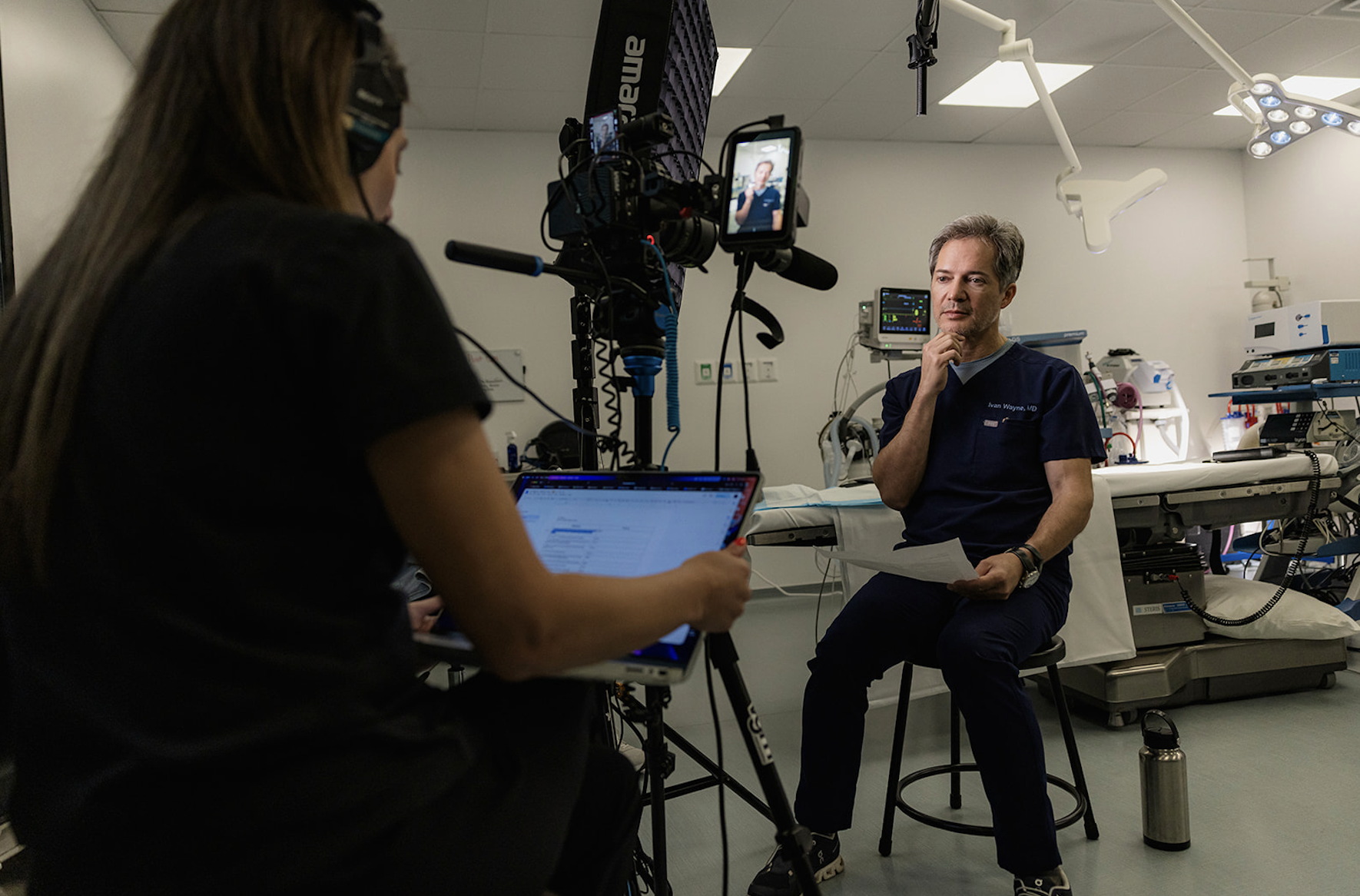
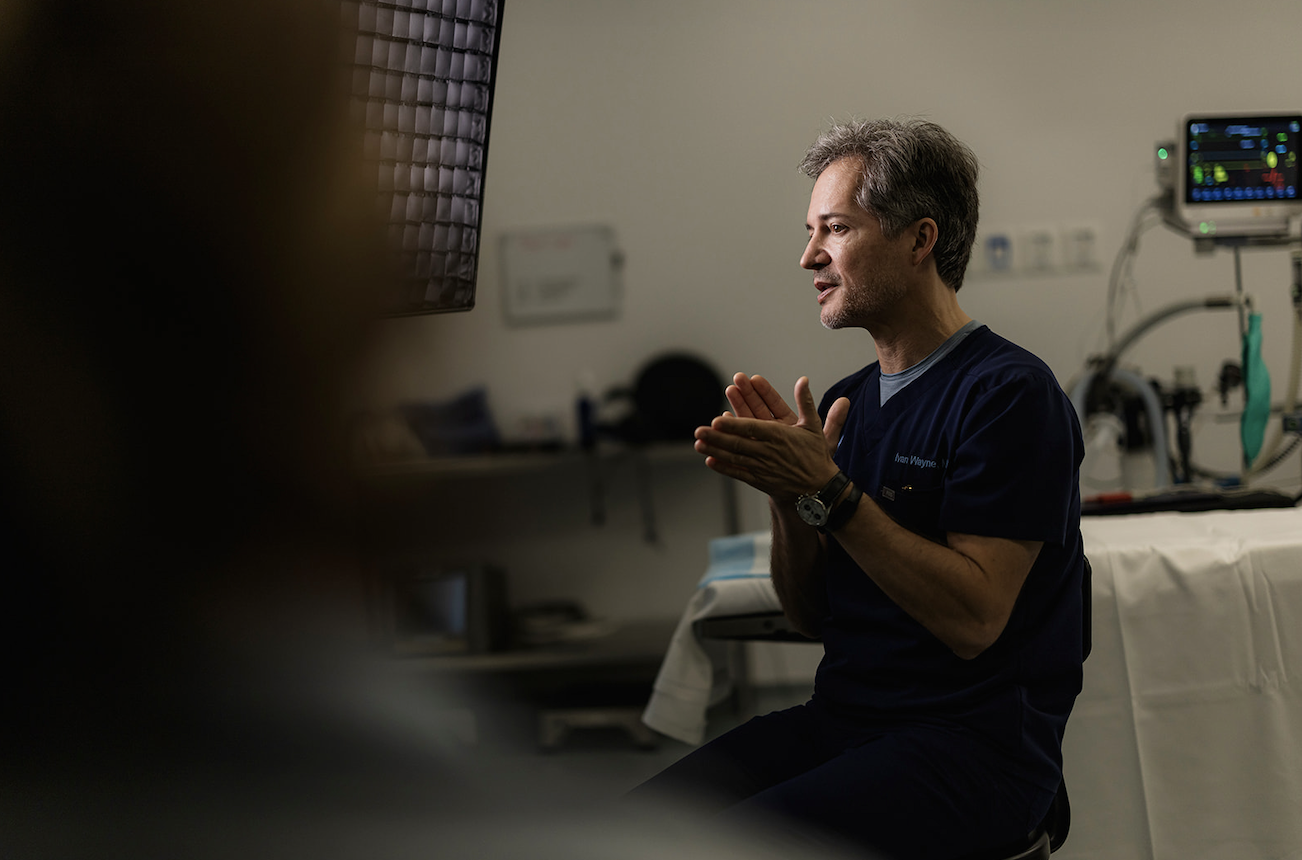
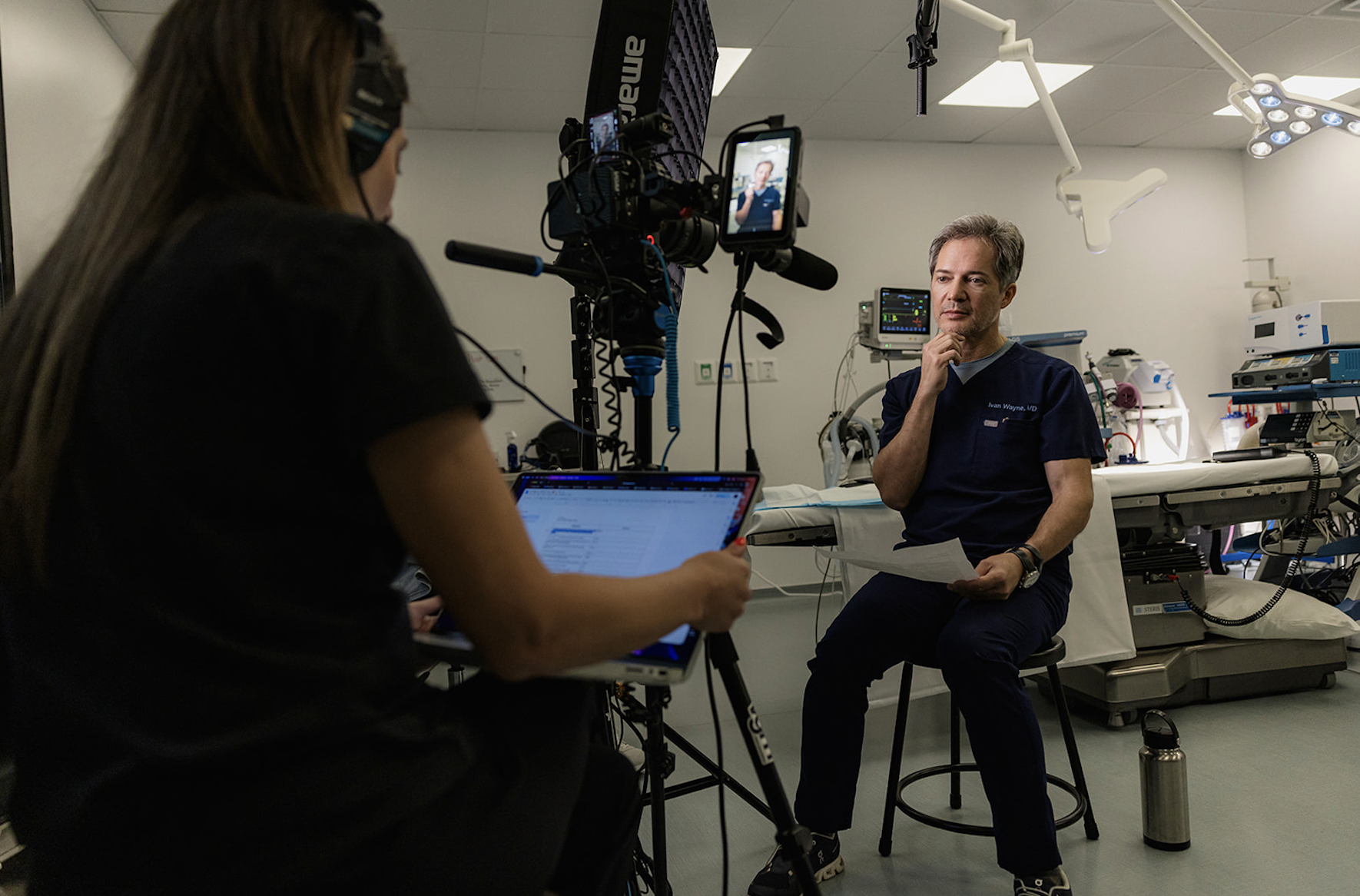
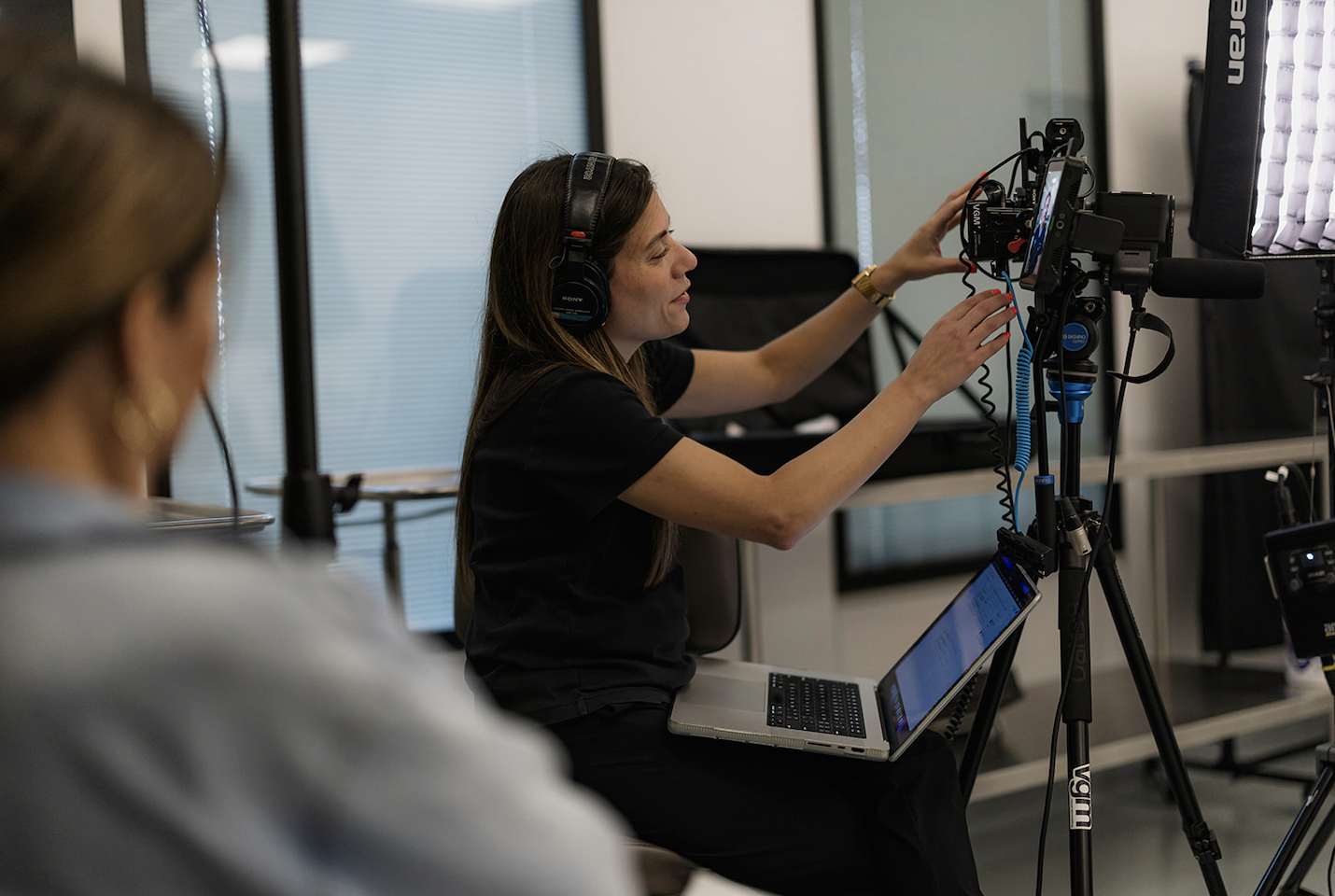
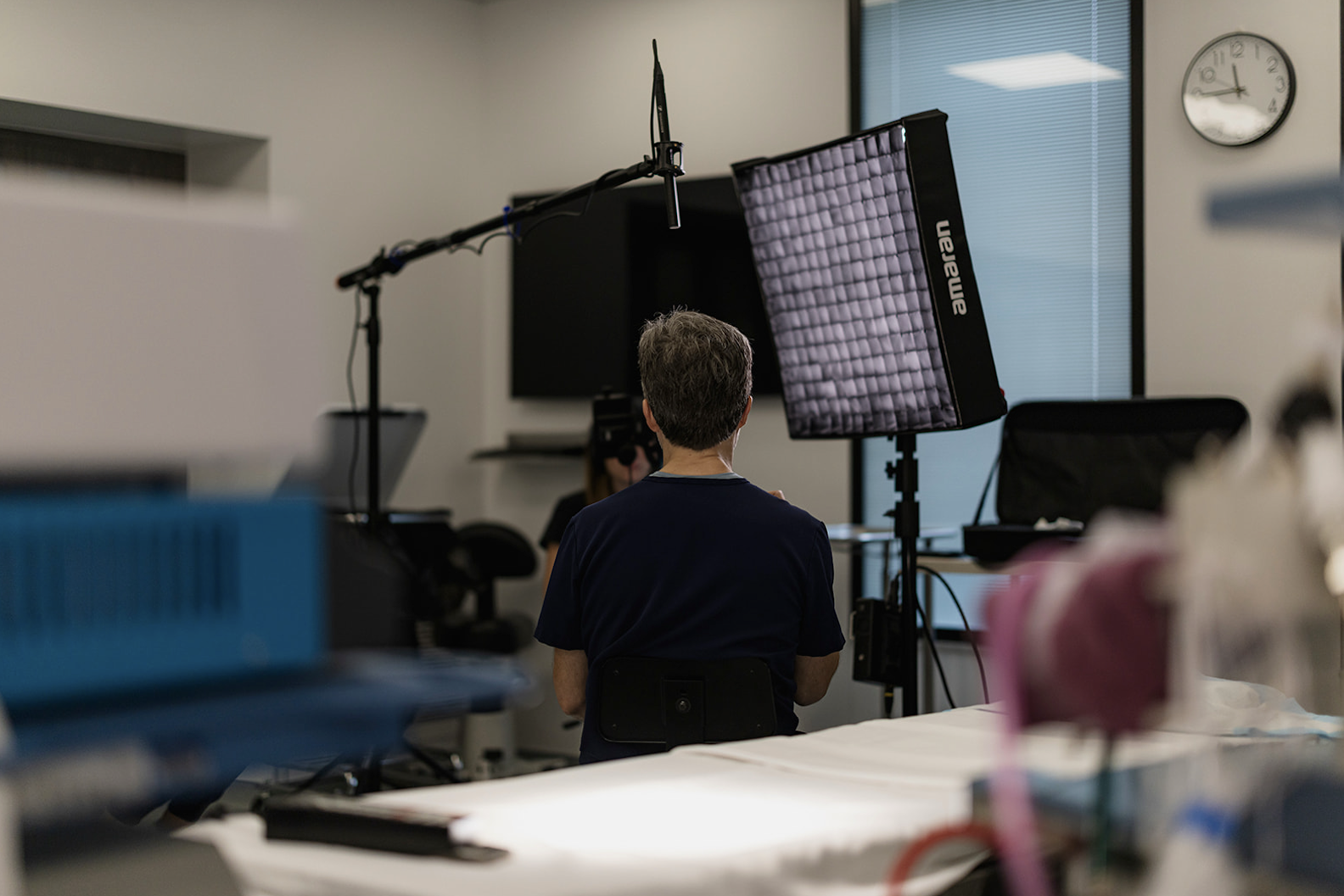
Behind The Scenes of a Commercial Video Project
When Should You Hire a Professional Commercial Video Production Company?
Professional commercial video production makes the most sense when the video represents your organization publicly and the quality of the execution matters. That might be a television campaign, digital advertising, a product or service launch, a major organizational initiative, or a campaign that will be seen across multiple platforms.
Working with a professional video production company also gives you more than access to professional cameras. You're bringing in a team to think about the concept, story, cinematography, lighting, audio, production logistics, editing, sound, and final delivery as one cohesive project. The equipment is part of the production. The thinking behind it is what brings everything together.
Commercial Video Production in Oklahoma City and Beyond
VGM Visual Storytelling is an Oklahoma City video production company creating commercials, brand videos, corporate videos, digital campaigns, social media content, and documentary-style films for businesses and organizations.
Our approach combines thoughtful strategy, journalism-driven storytelling, and cinematic commercial video production. We're based in Oklahoma City and work throughout Oklahoma and across the country.
Whether you're starting with a fully developed commercial concept or simply know that you need video for an upcoming campaign, you don't need to have every creative decision figured out before reaching out. Start with what you're trying to communicate, and we'll help you determine what the production needs to become.
Set your story in motion.