
How Is a Brand Video Made? A Behind-the-Scenes Look at the Production Process
When people think about video production, they usually picture what happens on filming day: cameras, lights, microphones, and a crew moving around behind the scenes. But by the time we turn on a camera, a lot of the work has already happened.
Creating a great brand video starts long before production day. It begins with understanding the organization, identifying the right people to tell the story, asking the right questions, and determining what we actually need to capture to bring that story to life.
At VGM Visual Storytelling, our brand video production process is rooted in journalism. We aren't trying to manufacture a story or turn people into actors. We're trying to understand what makes an organization interesting and uncover the real stories that already exist within it. Here's what that process actually looks like.
Step 1: Discovery Comes Before Production
Before we talk about cameras or filming locations, we need to understand the organization. Every project begins with discovery and strategy. We want to know what you do, but more importantly, we want to understand why you do it. Who are you trying to reach? What makes your organization different? What do you want someone to understand or feel after watching the video?
We also start thinking about the people who could help tell that story. Sometimes that's a founder or CEO. Other times, the strongest storyteller may be an employee, customer, student, patient, donor, volunteer, or community member.
Those early conversations help us identify the central idea behind the film. A brand video shouldn't try to say everything about an organization. It should determine what's most important to say and build a focused story around it.
Step 2: Finding the People Behind the Story
Once we understand the larger direction, we begin identifying potential interview participants. This is one of the most important parts of our brand video production process because a person's title doesn't necessarily make them the best storyteller. We're looking for people who have genuine experiences and perspectives that help us understand the organization.
Whenever possible, we conduct pre-interviews before filming. These are informal conversations that allow us to get to know participants, hear their stories, and understand what they might bring to the film. Pre-interviews also help us prepare better questions for production day.
Instead of showing up with a generic list of questions, we've already spent time listening. We know which experiences we want to explore further while still leaving plenty of room for unexpected moments. That preparation is a big part of what allows the actual interview to feel conversational rather than rehearsed.
Step 3: Preparing for Production
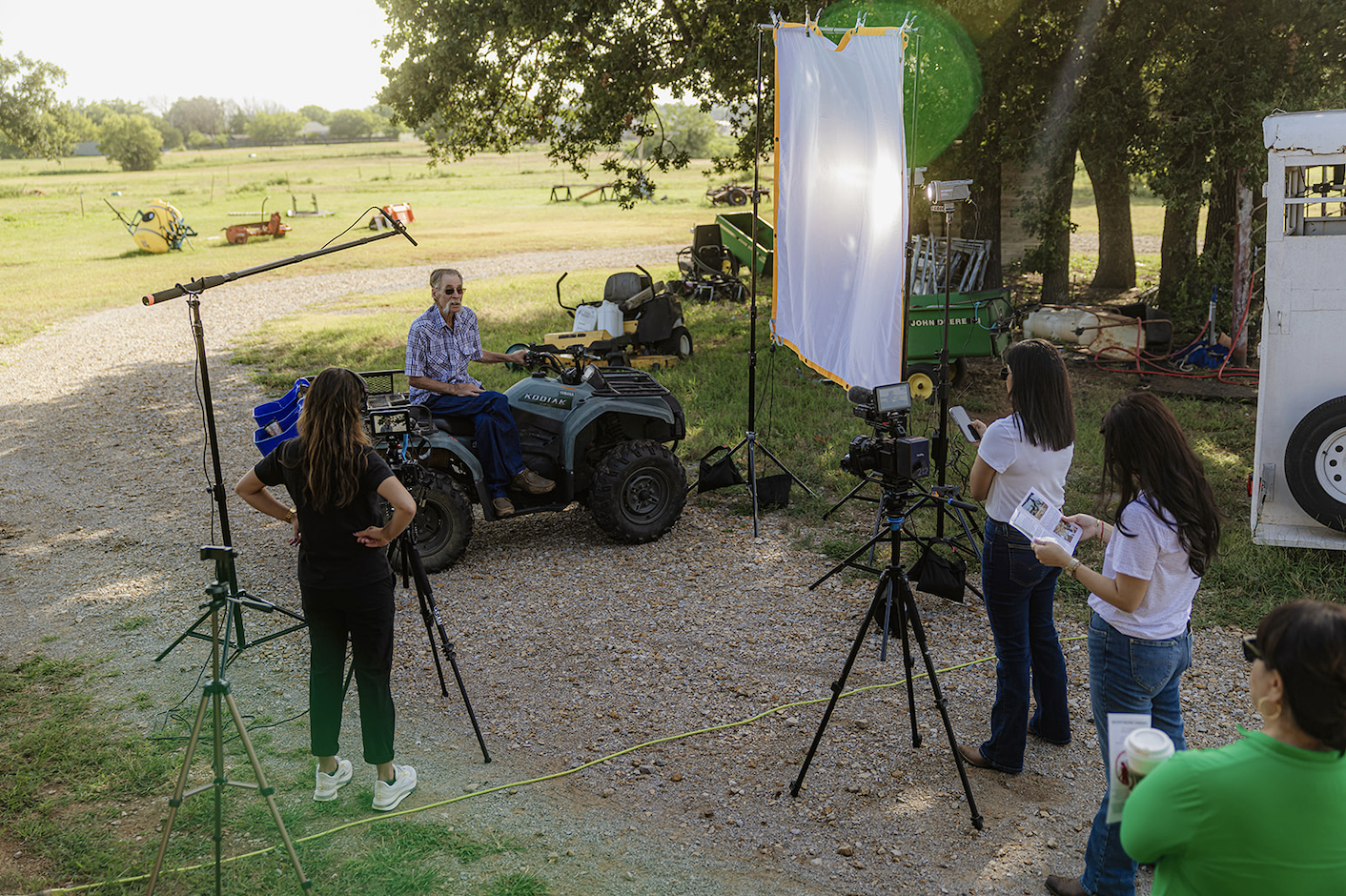
Once we know the story we're pursuing and who will help us tell it, we begin planning the production itself. That means determining where interviews should happen, what environments we want to capture, how much time we need, and what crew and equipment will best support the project.
Depending on the production, we may also conduct a location scout. This gives us an opportunity to evaluate the space before filming, including available light, sound, backgrounds, camera positions, equipment access, and what normally happens within that environment. But we're also looking at the location creatively and asking what could happen there that would help us tell the story.
If we're filming at a school, that might mean identifying classrooms or activities that visually communicate the student experience. At a nonprofit, it could mean documenting programs in action. For a business, it might be capturing employees interacting, working with clients, or doing the things that make the organization distinctive Good production planning isn't just logistics. It's beginning to see the story visually before filming starts.
Step 4: Creating Comfortable, Conversational Interviews
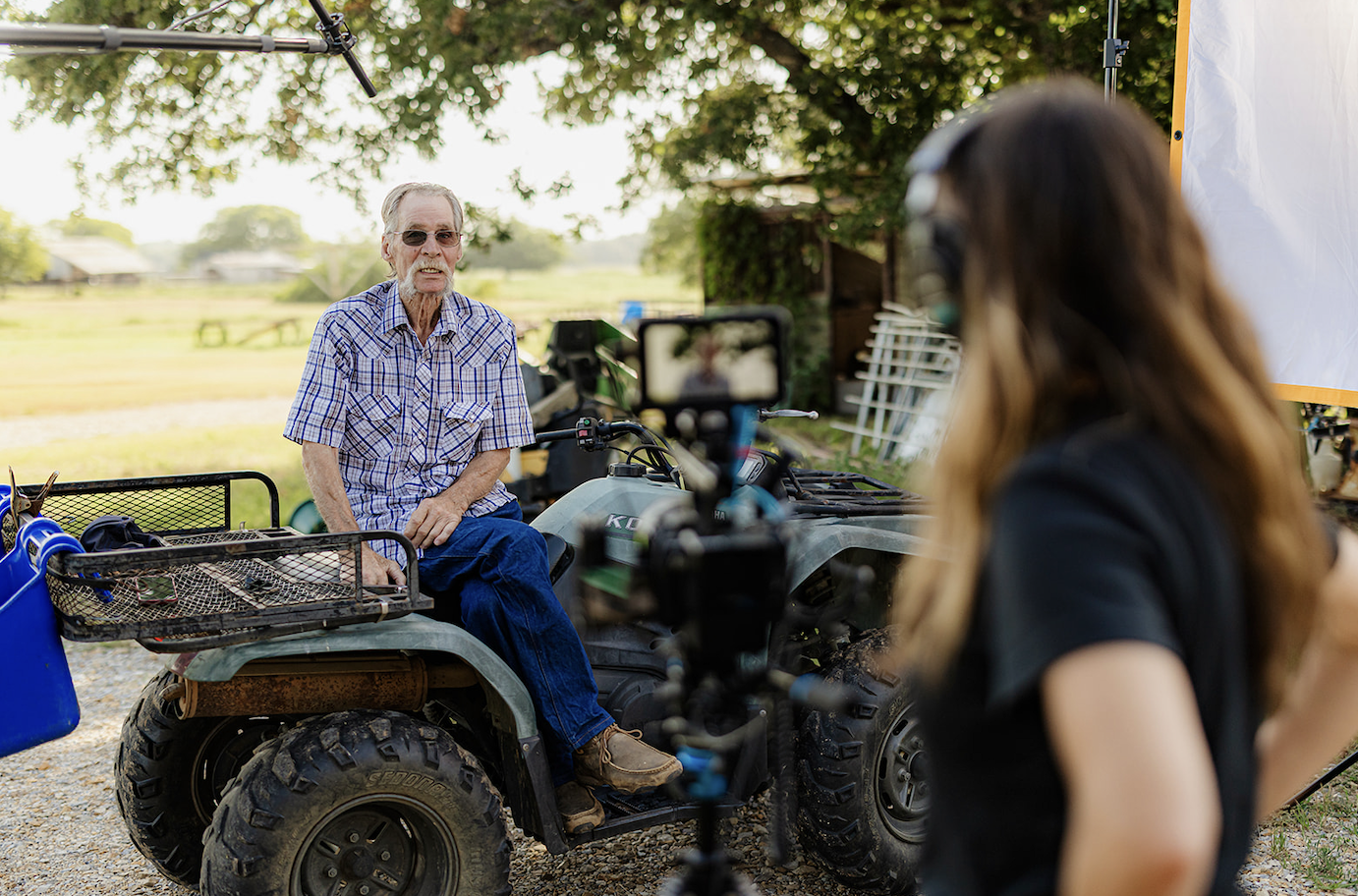
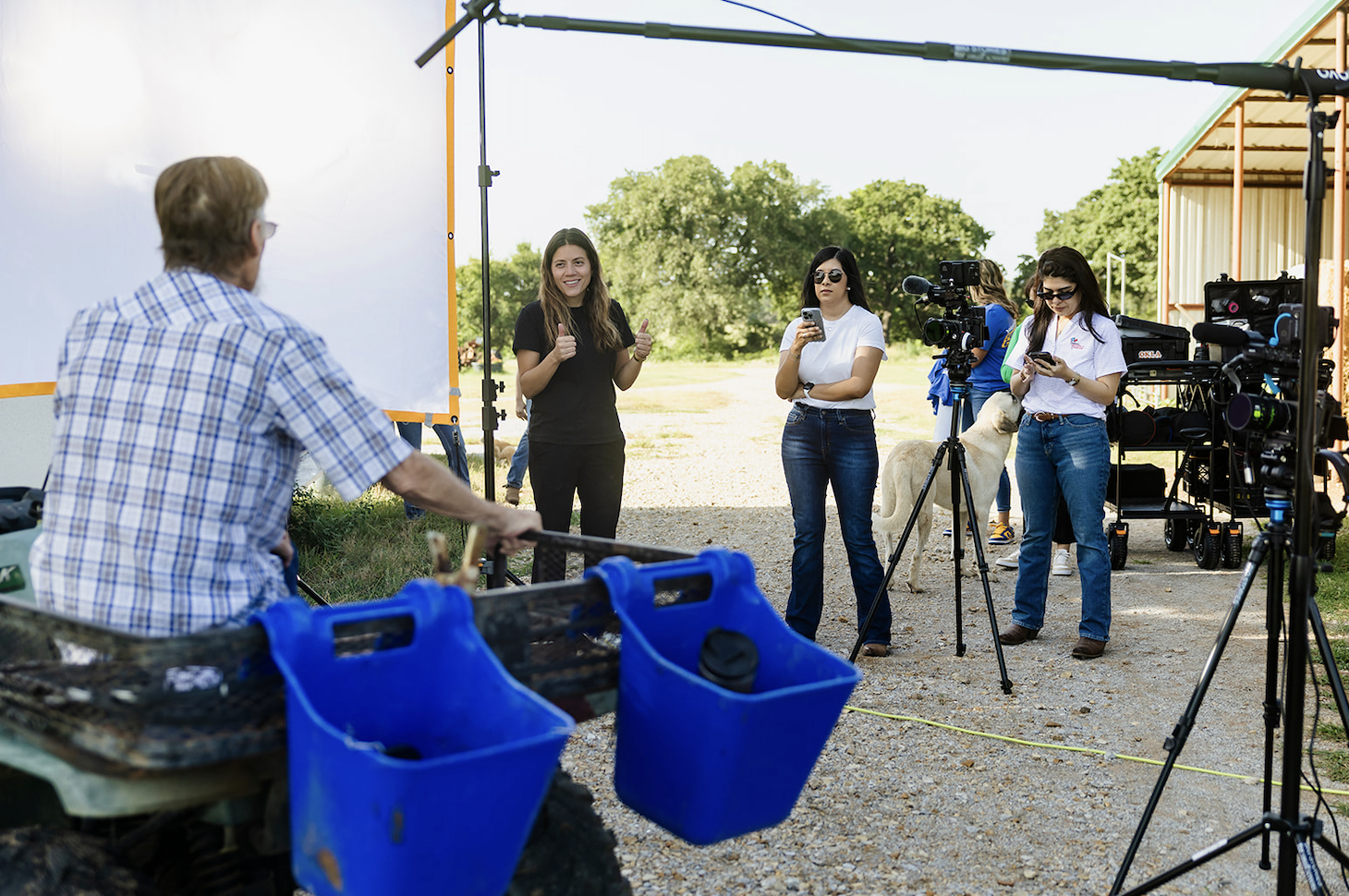
For many people, being interviewed on camera is intimidating. Most of the people we film aren't professional actors, and we don't expect them to be. Our job is to create an environment where someone can eventually stop thinking about the camera and simply have a conversation.
That's one reason we don't rely heavily on scripted interviews for our brand story videos. A perfectly memorized answer might communicate the correct information, but it doesn't always communicate the person behind those words.
Instead, our journalism background shapes the way we conduct interviews. We ask questions, listen closely, follow interesting answers, and ask follow-up questions when we hear something worth exploring. Sometimes an interview takes us somewhere we weren't expecting, and that's a good thing. Those unexpected moments are often where we find the heart of the story.
Step 5: Capturing B-Roll That Actually Means Something
Interviews are only one part of a brand video. Once someone tells us about their experience, we want viewers to see and feel that world too. That's where B-roll comes in.
B-roll is the supporting footage that appears throughout a film while someone is speaking, but good B-roll shouldn't simply be a collection of pretty shots. It should contribute something meaningful to the story. If an employee talks about collaboration, we want to capture real moments of people working together. If a nonprofit leader talks about the people their organization serves, we want to see that work happening. If a manufacturer talks about craftsmanship or scale, we might show the details, processes, machinery, and people that make that possible.
We approach B-roll with the same curiosity we bring to interviews. We're constantly looking for moments, interactions, details, and environments that give the audience information without someone having to explain it. The interview tells us the story, while the visuals allow us to experience it.
Step 6: Building the Story in the Edit
Once filming is complete, we may have interviews, B-roll, natural sound, and hours of footage. Now we have to find the film inside all of it.
For documentary-style brand video production, editing is much more than assembling clips in chronological order. We listen through the interviews and identify the strongest moments. We look for connections between different people and find themes, contrasts, emotional beats, and ideas that can create a natural beginning, middle, and end.
Sometimes the final structure isn't exactly what we imagined before filming, and that's part of the process. Because we're working with real people rather than scripted performances, we want to leave room for what we discover along the way. Once the story structure is established, we begin layering in B-roll, music, natural sound, graphics when appropriate, and the other elements that bring the film together.
Step 7: Finishing the Film
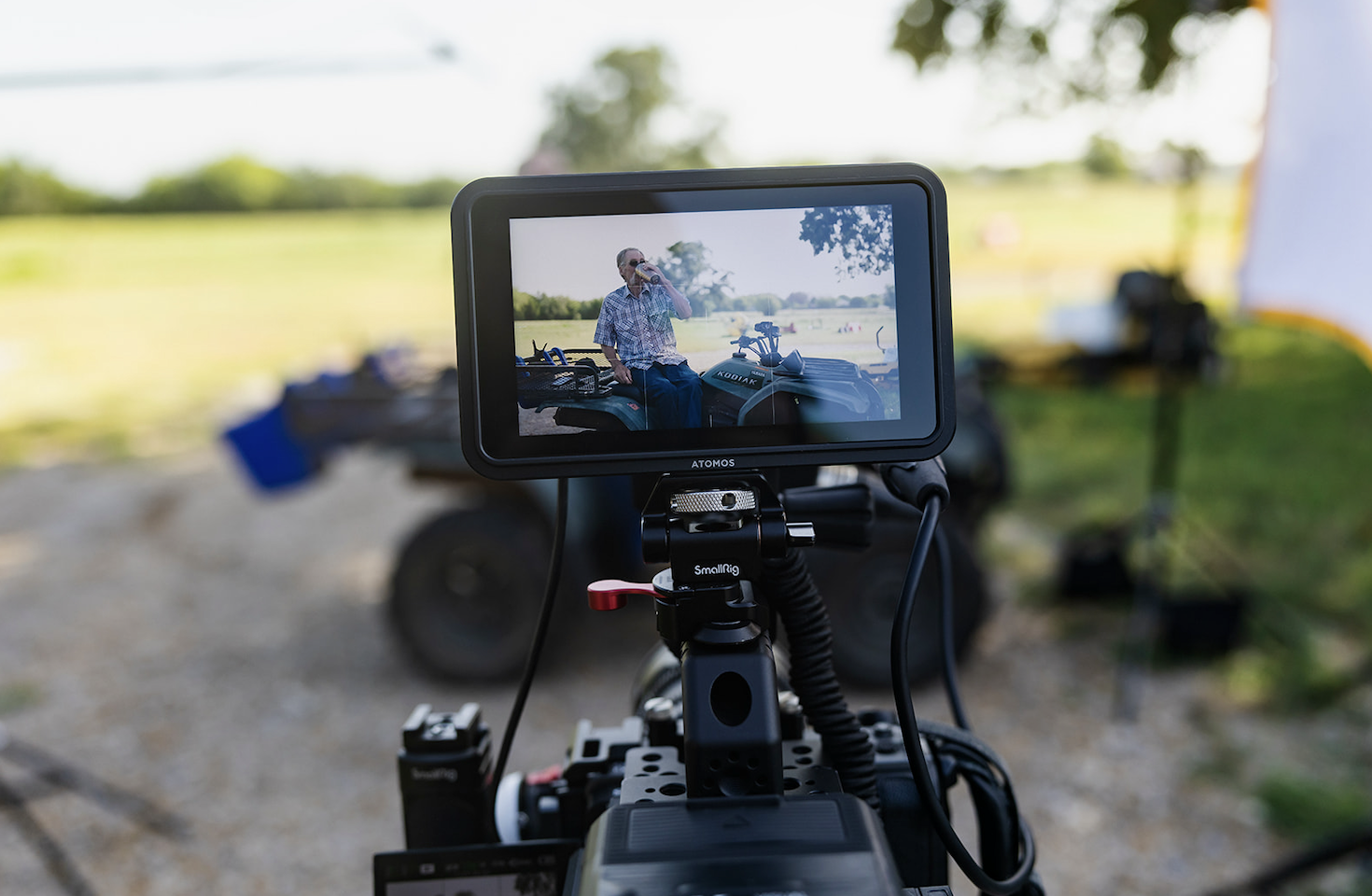
A professional brand video isn't finished when the story edit is complete. The finishing process brings consistency and polish to everything that was captured. That can include professional color grading, audio mixing, sound design, music licensing, motion graphics or animation when needed, and final formatting for the platforms where the video will live.
Color grading helps create a cohesive visual look across footage captured in different environments or lighting conditions. Audio finishing ensures interviews are clear and consistent while music and natural sound support the story rather than compete with it.
These details may not always be things a viewer consciously notices, but they affect how the finished film feels. When everything works together, the technical elements disappear into the background and allow the audience to focus on the story.
What Role Does the Client Play During Brand Video Production?
Producing a brand video is collaborative, but that doesn't mean the client needs to become the producer. We want our clients involved where their knowledge is most valuable.
During pre-production, that means helping us understand the organization, identifying the right people, providing context, coordinating access, and making sure we're pursuing the right story. During post-production, clients have opportunities to review the film and provide feedback through the agreed revision process.
Our role is to manage the filmmaking, while your role is to help us understand your world. When those two things work together, the process becomes much more productive and allows everyone to focus on what they know best.
How Long Does Brand Video Production Take?
Every project is different, but professional brand video production typically takes place over several weeks rather than several days. For many VGM projects, the entire process takes approximately four to eight weeks from initial planning through final delivery.
The timeline depends on the complexity of the story, number of interviews, filming locations, production days, schedules, post-production requirements, and feedback process. Larger projects may require more time, while straightforward productions can sometimes move more quickly.
The important thing is allowing enough time for both planning and post-production. Filming may be the most visible part of the process, but it's only one piece of creating the final story.
How Much Does Professional Brand Video Production Cost?
Brand video production costs vary based on what the project actually requires. The number of filming days, locations, interviews, crew members, travel requirements, editing needs, graphics, animation, and number of final deliverables can all affect the budget.
A straightforward production might begin around $7,500, while larger productions involving multiple filming days, locations, additional deliverables, or more complex creative requirements can reach $20,000, $50,000, or more.
That's why we don't believe every organization should be pushed into the same video package. Before production begins, we define the scope, deliverables, production requirements, revision rounds, and investment so everyone understands exactly what the project includes.
Can One Production Create More Than One Video?
Absolutely, and this is something worth considering before filming begins. A brand video production can often create opportunities for additional content. An interview that contributes 20 seconds to the main brand film, for example, may contain another meaningful story that could become its own testimonial, employee spotlight, or social media video.
The same is true of B-roll. When we know from the beginning that a client also needs vertical videos, testimonials, recruitment content, or other short-form pieces, we can plan production with those deliverables in mind.
That doesn't mean simply chopping one long video into a dozen smaller clips. It means thinking strategically about what else we can capture while we already have the people, locations, crew, and equipment together. Planning those needs in advance can help organizations get significantly more useful content from a single production.
What Makes the Production Process Successful?
The camera matters. Lighting, audio, and planning matter too, but none of those things can replace curiosity. For us, successful brand video production begins with genuinely wanting to understand the people we're filming.
That's why our process starts with conversations rather than cameras. We want to know what makes an organization different, hear the stories people tell when they're not reading from a script, and capture the moments that make those stories feel real.
Professional production gives us the tools to make something beautiful. Listening gives us something worth filming.
Brand Video Production in Oklahoma City and Beyond
VGM Visual Storytelling is an Oklahoma City video production company specializing in brand video production, brand story videos, corporate video production, nonprofit video production, and documentary filmmaking.
Our approach combines journalism-driven interviews with cinematic production to create films centered around real people and genuine experiences. We're based in Oklahoma City and work with organizations throughout Oklahoma and across the country.
If you're considering a brand video and aren't quite sure where to begin, that's okay. You don't need to come to us with a script or a fully developed creative concept. Start with your story, and we'll help you figure out how to tell it.
Set your story in motion.