
How Documentary Film Production Can Amplify Your Nonprofit’s Mission
Documentary films have become one of the most powerful tools nonprofits can use to deepen impact, connect with audiences emotionally, and spark action. At VGM Visual Storytelling, we believe mission-driven organizations deserve storytelling that reflects their heart and purpose — not polished sales pitches, but honest, human narratives that stick with viewers long after the credits roll.
For nonprofits considering a documentary project, this blog breaks down exactly how we approached our short documentary Blend Ability, from strategy and production to equipment and post-production — with insight into why a thoughtful film becomes more than content, it becomes legacy.
Why Nonprofits Should Think Big With Documentary Film
Nonprofits tackle stories no one else can tell. Documentary film elevates those stories beyond the page or slideshow — it brings real people, real voices, and real change into motion. For mission-driven organizations, documentaries can:
Humanize impact by showing lived experience rather than describing it.
Build empathy and inspire action from donors, volunteers, and partners.
Extend reach across platforms — from social media to events to grant proposals.
Fuel storytelling momentum that supports campaigns for years.
With Blend Ability, our goal wasn’t just to inform — it was to invite viewers into a shared journey of inclusion, work, and community.
Strategy and Pre-Production: Laying the Foundation
Before picking up any camera, we started with strategy. A documentary isn’t just footage — it’s a story with intention.
1. Define the purpose
We clarified why Blend Ability mattered, who the audience was, and what actions we hoped viewers would take after watching.
2. Research and narrative planning
Documentary production requires deep background work: understanding the subject, mapping story arcs, prepping interview questions, and identifying key locations. This isn’t scripting — it’s story architecture.
3. Logistics and scheduling
We scoped days based on themes — interviews, b-roll, and community interactions — so every production moment had purpose.
Production: Capturing Genuine Stories
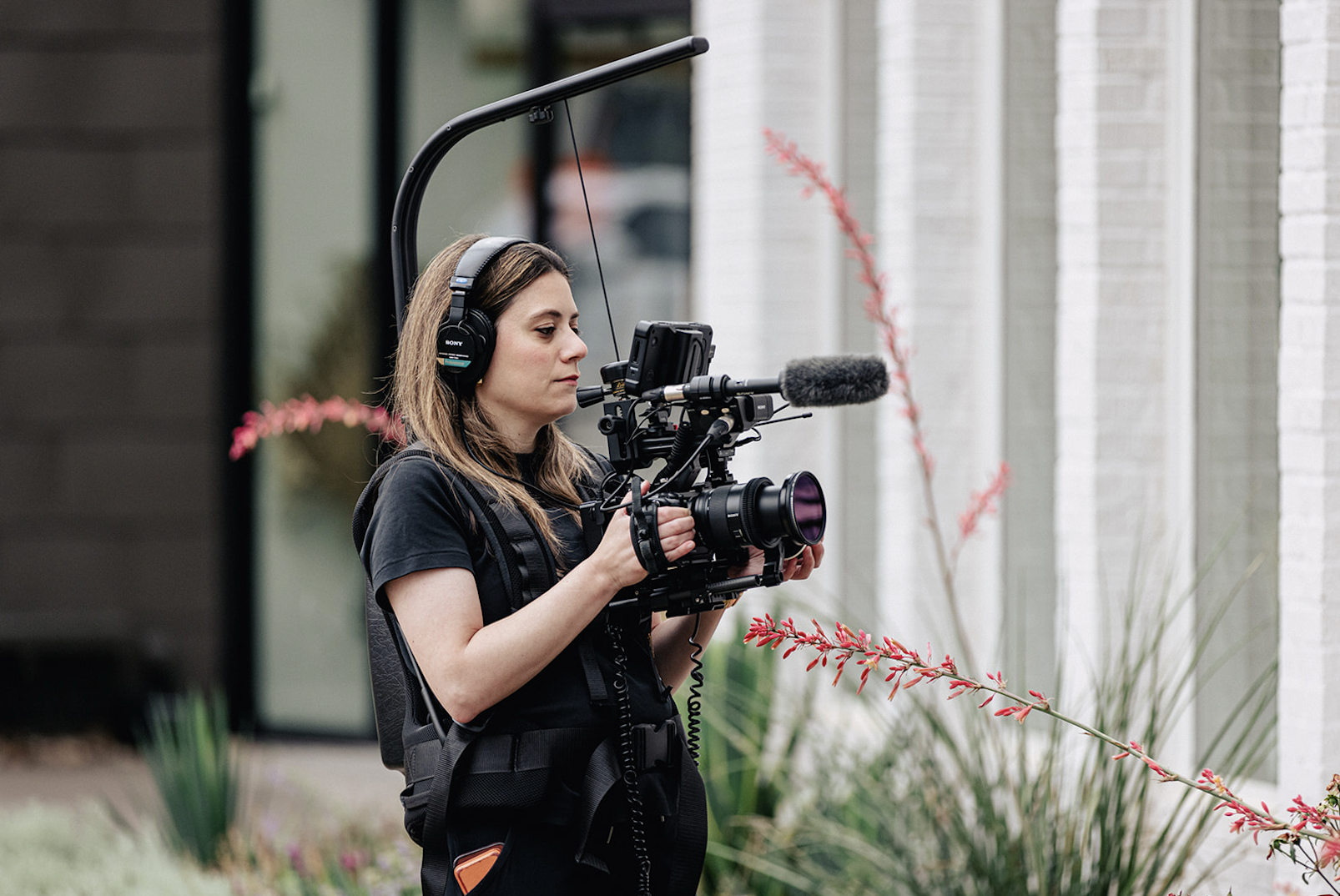
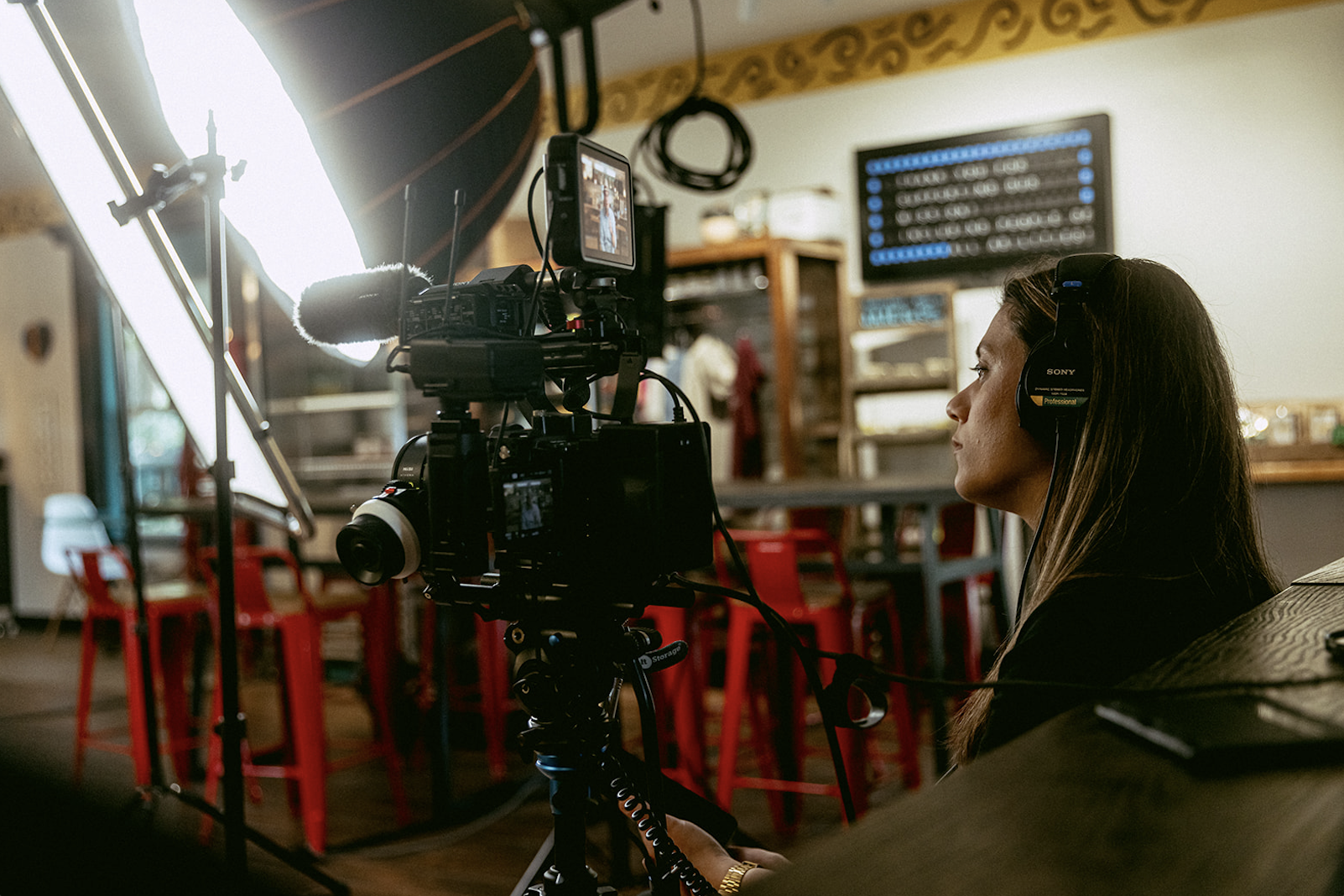
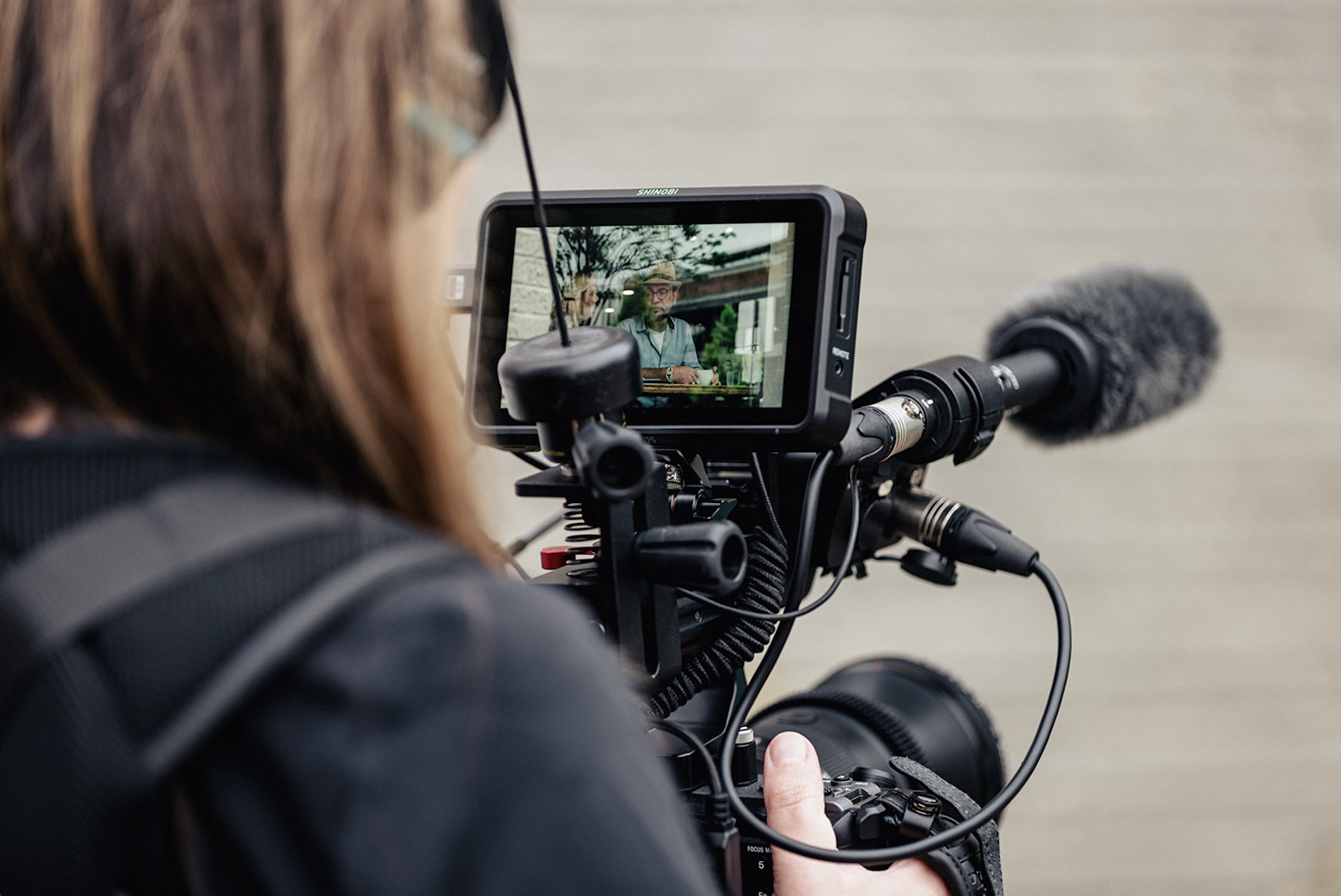
In production, observational storytelling was our priority. We approached this phase with flexibility, empathy, and respect for subjects’ time and comfort.
Key production focuses:
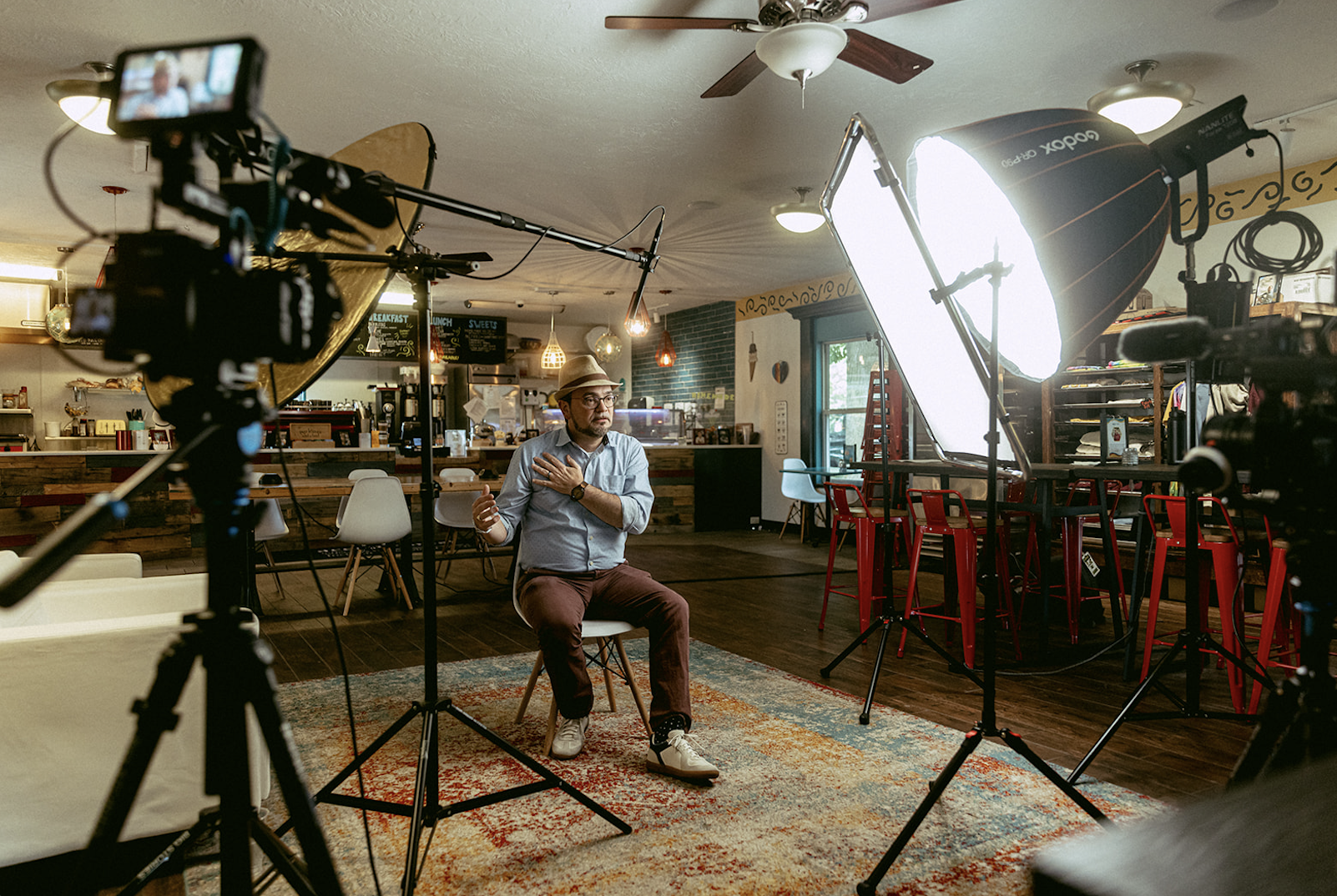
Interviews — capturing authentic voices in controlled environments to preserve clarity and candor.
Observational B-roll — secondary footage that enriches narrative context, captures emotion, and supports pacing.
Event & environment shots — showcasing places and people that tell the nonprofit’s story visually.
By structuring shoot days around clear objectives, we created a smooth workflow that respected both the filmmaking process and the nonprofit’s rhythms.
Gear That Helped Us Tell the Story
Production quality matters — not for its own sake, but because technical excellence supports emotional resonance.
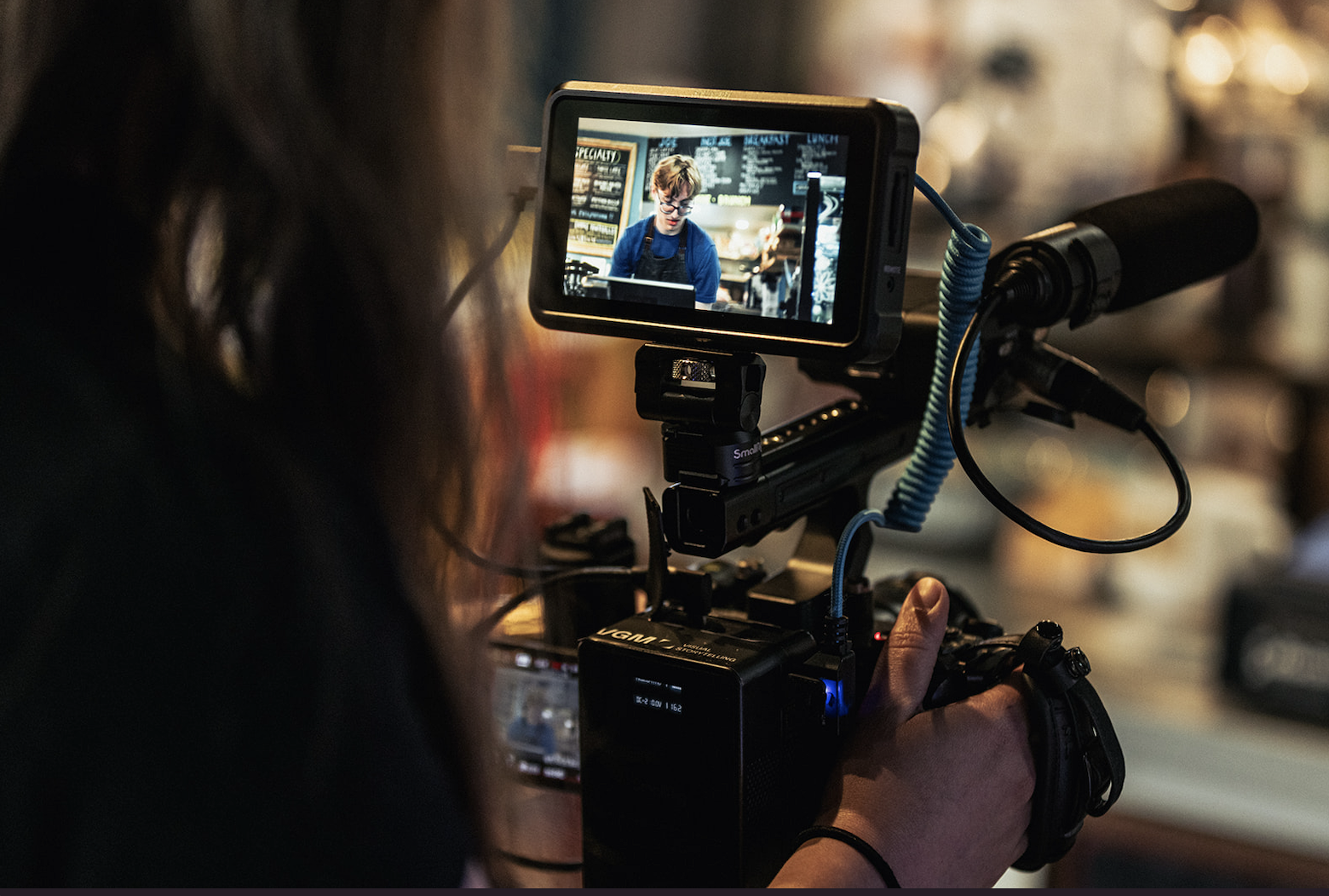
For Blend Ability, we leaned on cinema-capable tools that offered flexibility, quality, and reliability:
Cameras & lenses
Sony FX3 — ideal for low-light performance and cinematic capture
Sony 24-70mm f/2.8 G Master & NiSi cinema lenses — giving depth and versatility
Lighting
Aputure 600D — consistent, natural-looking light that enhanced interviews without overpowering the scene
Audio
Sennheiser MK 600 microphone — crisp, clear dialogue capture
Using this equipment allowed us to focus on storytelling while ensuring technical polish that supports visibility across platforms. High-quality audio and visuals keep viewers engaged longer — and that improves SEO performance too.

Post-Production: Shaping the Narrative
Post-production is where the documentary finds its rhythm. We approached editing with intention:
Organize footage by theme and emotional arc
Choose interview soundbites that carry depth and clarity
Interlace b-roll to reinforce narrative beats and pacing
Color grade and mix audio to maintain cinematic continuity
Post-production isn’t just cutting clips — it’s composing a viewer experience. This phase is where authenticity meets craft.
The Impact: Why This Matters for Nonprofits
Documentary films do more than explain — they invite. They help audiences feel the mission, not just read about it. For nonprofits, that emotional connection translates into:
Increased engagement from volunteers and donors
More meaningful social shares and organic visibility
Stronger grant applications supported by real stories
A body of work your organization can leverage for years
By investing in documentary production, nonprofits signal that their mission isn’t just worthy — it’s worth witnessing.